
Providing integrative counselling informed by established therapeutic approaches.




Path Forward Counselling offers therapy for trauma, OCD and anxiety using evidence based approaches including CBT, DBT and EMDR.
About me
Hi, I’m Ana. I am a registered member of the British Association for Counselling and Psychotherapy and trained in EMDR and Dialectical Behaviour Therapy.My interest in counselling began through seeing how much difference the right kind of support can make. Not just in how people feel, but in how they understand themselves and their lives.In my work, I focus on creating a steady and thoughtful space. A place where things can be spoken about without pressure, and where we can take time to understand what is happening beneath the surface.I do not believe therapy needs to feel overwhelming or complicated. It can be clear, grounded, and paced in a way that feels manageable.My approach is integrative, which means I draw from different therapeutic methods depending on what is most helpful for you. This might include practical tools, deeper exploration, or a combination of both.Whether you are coming on your own or as part of a couple, the aim is to help you feel more settled, more aware, and better able to move forward in a way that feels right for you.
Healing Journeys I Help Support
I work with adults experiencing trauma, anxiety, and emotional overwhelm.

Anxiety
Anxiety can show up as persistent worry, racing thoughts, or a constant sense of tension in the body. Many people experience anxiety at different points in life, especially during periods of stress or uncertainty. When it becomes overwhelming or begins to interfere with daily life, counselling can help you understand what is happening and develop ways to feel more grounded and in control.
Common Experiences with Anxiety
• Constant worrying or overthinking
• Feeling on edge or unable to relax
• Difficulty sleeping or concentrating
• Physical symptoms such as tension, fatigue, or restlessness
How Counselling May Help
Counselling can provide a calm and supportive space where anxiety can be discussed openly. Many people use therapy to better understand patterns of worry, explore ways of managing stress, and develop skills that support a greater sense of stability in everyday life.

Depression
Depression can affect how you feel, think, and experience daily life. You may feel low, disconnected, or struggle to find motivation for things that once felt manageable. Counselling offers a supportive place to talk openly about what you are experiencing without judgement.
Common Experiences with Depression
• Persistent sadness or feeling emotionally flat
• Loss of motivation or interest in daily activities
• Feeling tired or lacking energy
• Difficulty concentrating or making decisions
• Changes in sleep or appetite
How Counselling May Help
Therapy can provide a space where low mood and emotional struggles can be spoken about without judgement. Many people find counselling helpful for understanding patterns in their thoughts and experiences while gradually rebuilding motivation, support, and a sense of direction.

Emotion Dysregulation
Sometimes emotions can feel intense, unpredictable, or difficult to manage. You may feel overwhelmed by anger, sadness, or anxiety and struggle to find balance after strong emotional reactions.
Common Experiences with Emotional Overwhelm
• Feeling emotions very intensely
• Difficulty calming down after becoming upset
• Sudden mood changes that feel hard to manage
• Feeling overwhelmed by anger, sadness, or anxiety
• Struggling to express emotions in a healthy way
How Counselling May Help
Counselling can offer a space to reflect on emotional patterns and reactions. Therapy may help people develop greater awareness of their emotional responses and explore ways of managing intense feelings more safely and effectively.

Obsessive Compulsive Disorder (OCD)
OCD can involve intrusive thoughts that create intense anxiety, along with behaviours or mental habits that feel necessary in order to reduce that distress. These patterns may happen outwardly or quietly in the mind, and they can become exhausting over time.
Common Experiences with OCD
• Repeated unwanted thoughts that feel difficult to dismiss
• Feeling driven to check, repeat, or mentally review situations
• Seeking reassurance or certainty about fears or doubts
• Feeling responsible for preventing something bad from happening
• Spending large amounts of time managing thoughts or rituals
How Counselling May Help
OCD therapy helps people understand the cycle of intrusive thoughts and compulsions, while learning that thoughts are not dangerous and do not need to be acted on.

PTSD & Complex Trauma
Trauma can stay in the body and mind long after the event has passed. You may find memories returning unexpectedly, feel constantly alert, or struggle to feel safe and settled in everyday life. Counselling can provide a calm and steady space where difficult experiences can be explored at a pace that feels safe.
When Trauma May Show Up
• Intrusive memories or flashbacks
• Feeling constantly on guard or easily startled
• Avoiding places or situations that bring back memories
• Difficulty trusting others or feeling emotionally numb
• Feeling overwhelmed by strong emotions
How Counselling May Help
Trauma counselling can provide a safe and steady environment where difficult experiences can be explored at an individual pace. Many people find therapy helpful for understanding trauma responses, rebuilding a sense of safety, and gradually reconnecting with everyday life.

Relationship Struggles
Relationships can bring connection and support, but they can also be a source of stress, confusion, or emotional pain. Difficult patterns may develop over time, leaving you feeling unheard, misunderstood, or disconnected from those around you.
Common Experiences in Relationships
• Frequent arguments or communication difficulties
• Feeling unheard or misunderstood
• Struggles with trust or boundaries
• Repeating similar patterns in relationships
• Feeling lonely or disconnected from others
How Counselling May Help
Relationship counselling can provide a space to reflect on communication patterns, emotional needs, and boundaries. Therapy may help people gain insight into relationship dynamics and develop healthier ways of connecting with others.

Grief
Grief can follow many types of loss, including the death of a loved one, the end of a relationship, or significant life changes. Everyone experiences grief differently, and there is no single way it should look or feel.
Common Experiences with Grief
• Deep sadness or longing after a loss
• Feeling numb or emotionally distant
• Waves of emotion that come and go unexpectedly
• Difficulty concentrating or focusing
• Feeling isolated or misunderstood by others
How Counselling May Help
Grief counselling can provide a compassionate environment where loss and change can be spoken about openly. Many people use therapy as a way to process grief, make sense of difficult emotions, and adjust to life after significant loss.

Postnatal Depression
The period after childbirth can bring many emotional and physical changes. While adjustment is expected, some parents find themselves feeling overwhelmed, low, or anxious during a time that is often described as joyful. Postnatal depression can develop at any point during the first year after a baby is born.
Common Experiences with Postnatal Depression
• Persistent sadness or feeling emotionally low
• Distressing or intrusive thoughts that feel difficult to control
• Feeling guilt, shame, or self doubt about parenting
• Difficulty bonding with a new baby
• Changes in sleep, energy, or appetite
How Counselling May Help
Counselling can provide a supportive space to talk about the challenges that can follow childbirth. Therapy may help people explore these experiences, reduce feelings of isolation, and support wellbeing during the transition into parenthood.
Therapeutic Approaches
Evidence based approaches tailored to your needs.

What DBT Is
Dialectical Behaviour Therapy was developed by Dr Marsha Linehan and helps people who experience intense emotions. It combines practical skills with understanding how thoughts, emotions, and behaviours interact.
What DBT Focuses On
• Understanding emotional patterns and triggers
• Managing intense emotions
• Coping with distress without making situations worse
• Improving communication and relationships
• Developing greater awareness of thoughts and feelingsDBT individual therapy often works alongside DBT skills groups, where many of these skills are taught and practised.
What Sessions May Involve
Individual sessions focus on situations that felt difficult during the week and explore patterns in emotions, thoughts, and behaviour. DBT skills are then considered for responding to similar situations in the future. Over time the focus is on strengthening skills that support emotional balance, healthier relationships, and greater stability in everyday life.

What EMDR Is
Eye Movement Desensitisation and Reprocessing (EMDR) is a therapeutic approach designed to help the brain process difficult or distressing memories. It supports the mind in gradually integrating experiences that may still feel emotionally overwhelming.
What EMDR Focuses On
• Processing difficult or traumatic memories
• Reducing distress linked to past experiences
• Decreasing intrusive thoughts or images
• Strengthening feelings of safety and stability
• Supporting emotional healing and integration
What Sessions May Involve
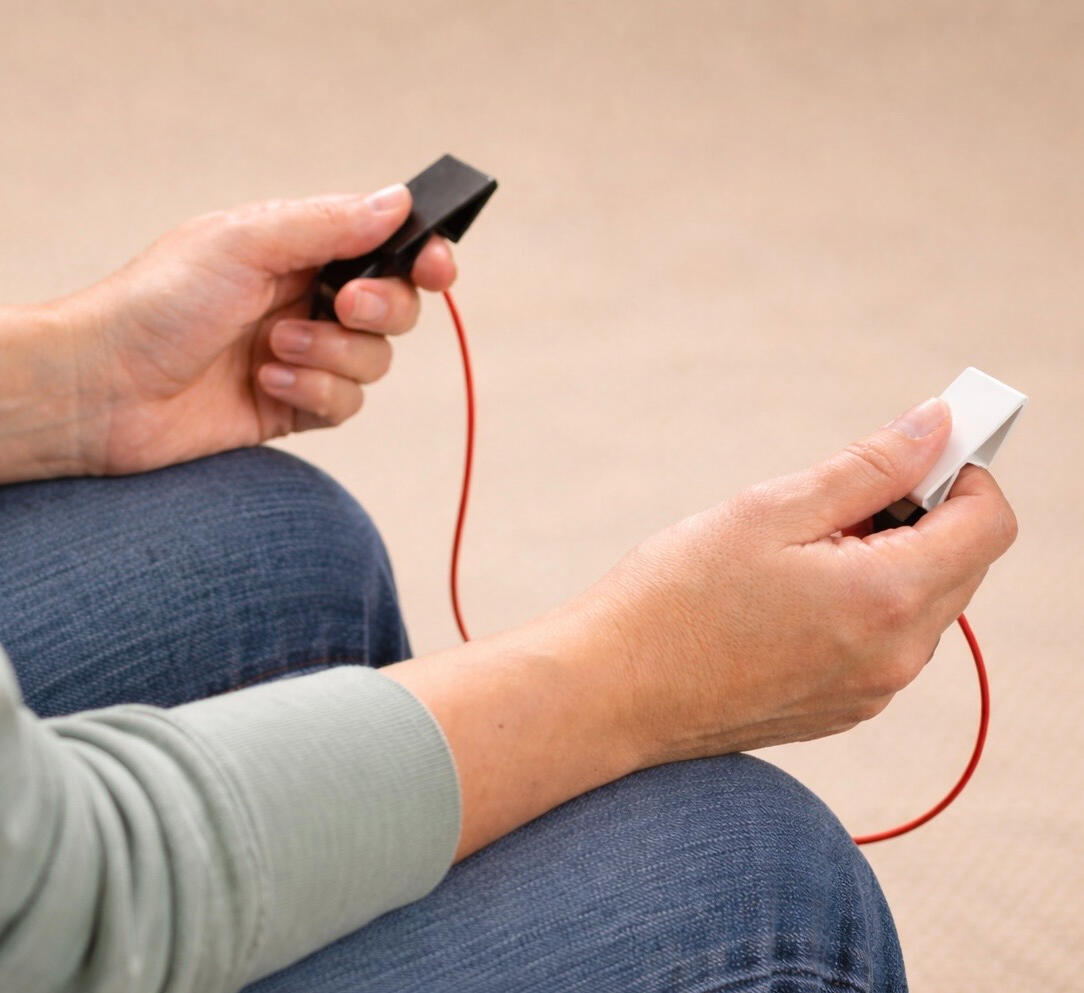
EMDR sessions involve guided focus on memories while using bilateral stimulation, such as eye movements or tapping. This process may support the brain in reprocessing experiences in a way that reduces their emotional intensity over time.


What DBT Skills Groups Are
DBT skills groups are a structured part of Dialectical Behaviour Therapy focused on learning practical tools for managing emotions and navigating difficult situations. Groups often run alongside individual DBT therapy and provide a space to practise skills and reflect on how they were used during the week.
What DBT Skills Focus On
The programme is organised into four core DBT skill modules:• Mindfulness
• Distress Tolerance
• Emotion Regulation
• Interpersonal EffectivenessEach module builds practical skills for managing emotions, relationships, and stressful situations.
What Sessions May Involve
Skills groups usually meet weekly and follow a structured format. Sessions include reviewing how skills were used during the week, learning new skills, and discussing how they may be applied in everyday situations.

What CBT Is
Cognitive Behavioural Therapy focuses on the connection between thoughts, emotions, and behaviours. It helps people recognise patterns that may contribute to distress and develop practical ways of responding to challenges.CBT is a structured and goal focused approach that is commonly used for anxiety, depression, and obsessive compulsive difficulties.
What CBT Focuses On
• Identifying unhelpful thinking patterns
• Understanding how thoughts influence emotions and behaviour
• Developing practical coping strategies
• Gradually facing situations that feel difficult or avoided
• Strengthening problem solving and resilienceCBT may also include exposure based work, which can be helpful when working with anxiety or obsessive compulsive patterns.
What Sessions May Involve
CBT sessions involve exploring thoughts, emotions, and behaviours while developing practical strategies that can be used between sessions. At times this may include gradual exposure exercises that help people approach situations they have been avoiding and respond to them in new ways.


What Somatic Therapy Is
Somatic therapy focuses on the connection between the mind and body. It recognises that emotional experiences and stress can sometimes be held physically, and supports people in developing greater awareness of their body’s responses.
What Somatic Therapy Focuses On
• Increasing awareness of bodily sensations
• Understanding how stress shows up in the body
• Exploring the body’s natural stress responses
• Developing grounding and regulation techniques
• Supporting nervous system balance
What Sessions May Involve
Somatic sessions may include gentle awareness of bodily sensations, grounding practices, and techniques that support the nervous system in returning to a calmer state. This approach can help people reconnect with their body in a supportive and gradual way.


What Couples Counselling Is
Couples counselling using the Gottman Method focuses on strengthening connection, improving communication, and understanding relationship patterns. It provides a structured approach to exploring challenges while developing healthier ways of relating to one another.
What Couples Counselling Focuses On
• Improving communication and understanding
• Exploring patterns of conflict
• Strengthening emotional connection
• Rebuilding trust and partnership
• Developing healthier ways of navigating disagreements
What Sessions May Involve
Sessions provide a structured and supportive space where both partners can share their perspectives and explore relationship dynamics. The work focuses on recognising patterns within the relationship and developing practical tools that support healthier communication, connection, and conflict management.

Rates at a glance
I believe pricing should be clear and easy to understand. Rates vary based the session length you choose. Payment is due prior to your appointment.
Individual Therapy
Initial Consultation (75 minutes) £100
Individual Session (50 minutes) £75
Extended Session (75 minutes) £100Available online or in person.
Couples Therapy
Initial Assessment (90 minutes) £150
Couples Session (75 minutes) £120Available online or in person.
DBT Skills Group
Six week module
(6 sessions, 90 minutes each) £300One flat fee paid in full
Cancellation Policy
Notice Period
At least 24 hours’ notice (during business hours, Monday through Friday) is required to cancel or reschedule an appointment.
Monday appointments must be cancelled by the same appointment time on the preceding Friday.
Late Cancellations & Missed Sessions
Appointments cancelled with less than 24 hours notice, or missed without notice, are charged in full. Session times are reserved exclusively for you and cannot be offered to another client at short notice.If you arrive late, the session will still end at the scheduled time and the full session fee will apply.
Illness & Emergencies
If you are unwell but able to attend remotely, your session may be moved online where possible.In exceptional circumstances, the session fee may be credited toward a future appointment at the therapist’s discretion.
Engaging in therapy is an investment in your time, finances, and wellbeing. This policy helps protect dedicated session time and supports consistent therapeutic work.
Resources
Below is a small selection of trusted resources to support your understanding and healing between sessions.
These are educational and not a substitute for therapy.
Apollo Neuro
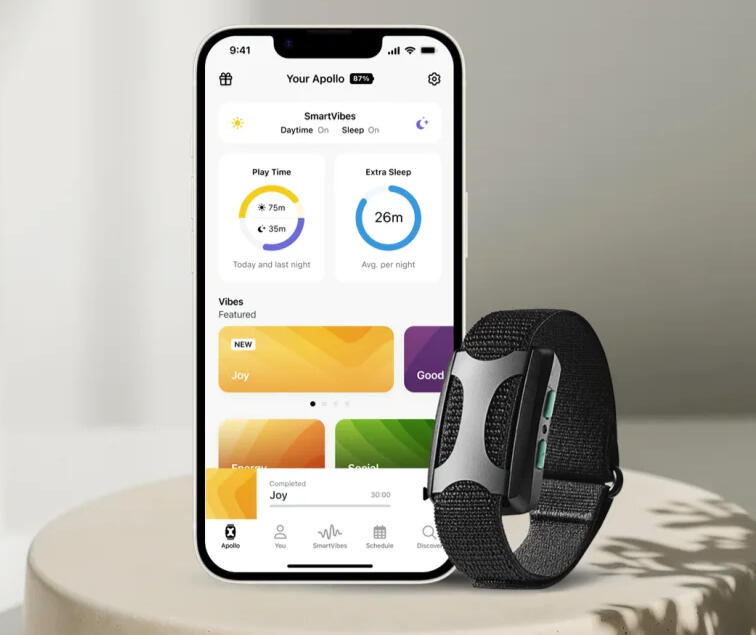
Apollo is a discreet wearable device worn on the wrist, ankle, or clipped to clothing. It sends gentle vibrations to the body that signal safety to the brain, helping support relaxation, improve sleep quality, enhance focus, and reduce stress by gently regulating the nervous system throughout the day.View Product →
MeacoDry Arete One
The MeacoDry Arete helps create a healthier sleep environment by reducing excess humidity and filtering the air with a HEPA filter. Balanced humidity and cleaner air can improve breathing, reduce allergens, and support deeper more comfortable sleep, an important foundation for mental wellbeing.View Product →

Vitruvi Charcoal Stone Diffuser
The Vitruvi Stone Diffuser gently disperses essential oils into the air to create a calm and relaxing atmosphere at home. Using natural oils rather than synthetic fragrance blends or charcoal fillers, it helps maintain a cleaner indoor environment while supporting rest and evening wind down routines.View Product →

Understanding Trauma & the Nervous System
The Impacts of Trauma on your Autonomic Nervous System
Sidran Traumatic Stress Institute
OCD & Anxiety
Emotional Skills & DBT
Crisis Support
If you are in immediate distress, please contact one of the services below.
Samaritans 116, 123
NHS 111
Emergency 999
Please note: I am not responsible for the content of external websites. These links are provided for educational purposes only.

Contact
Use the form below to get in touch. A free 15 minute consultation is available to see if we are a good fit.
Thank You
Your message has been successfully submitted. We aim to respond to your inquiry within 2 business days.
Privacy Policy
Last Updated: 15/03/2026
.
Path Forward Counselling respects your privacy and is committed to protecting any personal information you provide.Information may be collected when you contact the practice through the website or by email. This may include your name, email address, and any information you choose to include in your message.This information is used only to respond to enquiries and arrange counselling services. Personal information is not sold or shared with third parties.Any information provided is handled with care and stored securely. If you have any questions about how your information is handled, you can contact:
[email protected]